Monday, 12 May 2014

Sdacharam


Sadacharam (Virtuous Conduct) By Sree Narayana Guru Posted: 11 May 2014 11:20 AM PDT Translated by Muni Narayana Prasad This work in Malayalam language was written in the 1920’s when a rich man, who donated a piece of land in Madras to Guru, attempted to take it back because of some legal hurdles. Forgetting something good Done by someone else Is no good at all. It is good to forget instantly What is not at all good. – 1 Righteousness becomes victorious, Truth too is likewise; Always it is so. Unrighteousness as well as Untruth do not become Victorious at any time. – 2 Water-source directed To the paddy field Makes the water reach Useless grass as well. If the way to paddy Is closed, the water Benefits rocks alone. – 3 No one victorious does Forsake good fame As also good status These two accrue not on Those who are mean; The opposite happens to them. – 4 One reality alone exists; All these are not real. All men needs must Abide by Truth And righteousness. No one should think of Life as ever-lasting. – 5 Taking back what is Already gifted to someone Causes sufferings in life Even to the highborn. This ancient saying Being exceptionally true Is not at all meaningless. – 6 He who takes back What is gifted already Is the most impoverished. Impoverished more than him No one is there in the world. - 7 https://www.facebook.com/pages/Life-and-teachings-of-Sree-Narayana-Guru-1855-1928/343474252452606 Photo: Sadacharam (Virtuous Conduct) By Sree Narayana Guru Translated by Muni Narayana Prasad This work in Malayalam language was written in the 1920’s when a rich man, who donated a piece of land in Madras to Guru, attempted to take it back because of some legal hurdles. Forgetting something good Done by someone else Is no good at all. It is good to forget instantly What is not at all good. – 1 Righteousness becomes victorious, Truth too is likewise; Always it is so. Unrighteousness as well as Untruth do not become Victorious at any time. – 2 Water-source directed To the paddy field Makes the water reach Useless grass as well. If the way to paddy Is closed, the water Benefits rocks alone. – 3 No one victorious does Forsake good fame As also good status These two accrue not on Those who are mean; The opposite happens to them. – 4 One reality alone exists; All these are not real. All men needs must Abide by Truth And righteousness. No one should think of Life as ever-lasting. – 5 Taking back what is Already gifted to someone Causes sufferings in life Even to the highborn. This ancient saying Being exceptionally true Is not at all meaningless. – 6 He who takes back What is gifted already Is the most impoverished. Impoverished more than him No one is there in the world. - 7 Sadhu Appadurai (1872-1964) – A little known Sage of Sri Lanka Posted: 11 May 2014 11:08 AM PDT sadhu appadurai This article has been prepared largely based on the information I got from the Tamil book ‘Dhyana Dhara’ perhaps the only available biography of Sadhu Appadurai written by the poet Pramil. This is not a translation of the entire book. I have just rendered some important parts into English. My idea initially was only to translate his teachings into English which I had been posting in the Facebook page – Who is this ‘I’ ? Some of my friends and followers of the page expressed their curiosity to know more about him. It was then that I embarked on this effort. Please pardon the shortcomings that are bound to be there in this work. I wanted to begin this work with a quote by Sadhu Appadurai himself and with his Grace found an apt one – “Truth has no biographies. Writing a Jnani’s biography is foolishness. Birth, death and life are for the ‘ego’. There is neither birth nor growth nor death for the slayers of ego. While going deeper into the space, at certain appropriate places a blink will be felt in the (spiritual) ‘meters’. Meditation will happen by itself. On observing the surroundings, a Samadhi (tomb) of some Jnani will be found there. The ones resting there don’t have biographies. There have been many such Jnanis who have no biographies. Their glory cannot be expressed in words.” - Sadhu Appadurai A.P. Appadurai later known as Sadhu Appadurai was born on 17 June 1892 at Trincomalee, a town on the east coast of Sri Lanka. He lost his parents in his early childhood and was brought up by his Grandfather Annamalai since then. He was very compassionate and generous even during his childhood. He received formal education from Ramakrishna Mission High School, Trincomalee till matriculation. After that he studied Jyothisha (astrology) in which he acquired good proficiency and astonishing accuracy. Appadurai received a great setback in life when he was 20 years old. His grandfather Annamalai (Father’s Father) who had been his guardian all these years was on his deathbed. Annamalai’s granddaughter (daughter’s daughter) Thangaponnu was also staying with him under his care. He was concerned about her well-being after his death. So, Annamalai asked Appadurai to marry and protect Thangaponnu. Though unwilling, Appadurai had to agree to this last wish of his grandfather. Thus Appadurai married Thangaponnu who was 5 years elder than him. Appadurai became well-known as a kind and generous house-holder in his locality. He used to hold feasts at his house for the pilgrims who used to come in large numbers at the nearby Kandakottam temple. On one such day, he was sitting on the verandah of his house. He saw that a woman, untidy in appearance, was moving around the entrance of his house. She suddenly came and stood before Appadurai. He identified her to be the wandering saint known there as Visar (mad) Thangamma due to her external appearance. Appadurai invited her into the house and showed her his new born baby. Thangamma took the baby in her arms and then handed it over to Appadurai’s wife Thangaponnu. Thangamma then suddenly grabbed Appadurai’s hand and led him onto the streets. Appadurai followed her silently. Thangamma took him to her Guru Jadai Varadar or Saravana Swami and recommended to initiate Appadurai. Saravana Swami was the grand-disciple of Muktyananda (Kadai Swami). The renowned Saint Yogaswami was the disciple of Chellapah Chettiar who was another disciple of this Muktyananda. Appadurai was dumbstruck at these sudden happenings and the sight of this holy man with matted hair and unkempt appearance. Appadurai prostrated before him. Jadai Varadar looked at him and said, “You are rich people and we are beggars. Do you think we will gel together?” Appadurai replied, “It is true that I am prosperous but I find no joy in them. I want peace. Please initiate me.” Jadai Varadar: We live on bhiksha (alms). Will you be able to lead such a life? Appadurai: Yes, I can. Jadai Varadar: Okay, go and bring some food as bhiksha. As Appadurai was about to leave, Jadai Varadar stopped him and asked, “For whom will you be asking the bhiksha?” Appadurai: “For Guru”. Jadai Varadar: The Guru will take care of his own bhiksha. You beg for yourself. Appadurai was about to leave and Jadai Varadar stopped him again. “Will anyone give you alms if you go in such good clothes. Go without them”, he said. Appadurai hesitated initially, but understanding this to be the Guru’s test, he determined to go without those clothes. Jadai Varadar: Where will go for the bhiksha? Appadurai: To some house nearby. Jadai Varadar: No. Go to your own locality. Appadurai understood this to be the Guru’s strategy to kill his ego. He accepted the Guru’s words but was again stopped just when he was about to leave. Jadai Varadar: To whose house will you be going? Appadurai: To my friend’s house. Jadai Varadar: Do you have any enemies? Appadurai: Yes. Jadai Varadar: Then go to his house and beg bhiksha from him. This was the ultimate blow to his ego which he readily accepted and set out to follow the orders of his Guru. He returned with the bhiksha. His Guru blessed him and said, “You may return to your house now and carry on your spiritual practices there. You won’t be affected by the world.” After this divine encounter with his Guru at the age of 21, his life was no more the same. Whether he met his Guru again is unknown. Although a householder, he underwent strict penance for around 20 years. At the age of 40, he attained Perfection or Self-realization. His wife Thangaponnu followed Appadurai and led an austere life. They were just like Sri Ramakrishna Paramahamsa and Sri Sarada Devi. Thangaponnu was also greatly revered as an enlightened being. Appadurai had brought up his elder daughter teaching her Upanishads, etc. realizing that she was an extraordinary child. However, she passed away in her youth. There have been many interesting occurrences in his life. Let’s have a look at one of them – It was mentioned earlier that Appadurai had an astonishing accuracy in Astrology. There was another astrologer who also was known for his accurate predictions in that locality. There was a belief there that whatever he says will surely come true. However, people were afraid of him as he usually used to predict only inauspicious events or disasters. This astrologer had heard about the accuracy of Appadurai and was envious of him. He some how got the horoscope of Appadurai and to his delight found that Appadurai will die within a few days. He announced it to everyone including Appadurai. Many followers of Appadurai got nervous as never has it happened that the prediction of this astrologer had gone wrong. Appadurai was calm and unconcerned about all these. The astrologer now used to come daily to remind Appadurai that his time has come. Days went by like this. Finally, the day predicted by the astrologer came. Even the previous day, he had gone to Appadurai’s house to remind him that he will die the next day. Appadurai was at his home. A knock was heard on the door. Was it the astrologer this time too? No. It was the astrologer’s wife. She was wailing loudly saying that he lost her husband. She was aware that her husband had predicted the death of Appadurai on that day. However, it was the predictor himself who died. Appadurai consoled her and sent her back. Appadurai said, “He (the astrologer) can never go wrong. Maybe he had predicted his own death by mistake.” Many earnest seekers and devotees used to come to him for guidance and relief. Appadurai gladly received them and blessed them with his ambrosial words. Among them was a man called Tiruchitrambalam. Greatly inspired by the spiritual attainment of Appadurai, he tried to persuade him to travel across Sri Lanka and preach the Truth. Appadurai was not interested at all. In 1957, the famous Tamil poet Pramil met Appadurai and was greatly impressed by him. Although, he had no idea that Appadurai was a Perfect Being, he used to visit him regularly for the next six years. At the same time, Pramil was a great devotee of Yogaswami (a Jnana Guru in the lineage of Muktyananda) mentioned earlier. In 1963, Pramil informed Appadurai that he was going to meet Yogaswami. When Pramil arrived there, Yogaswami asked him, “Where have you come from?” “Trincomalee”, replied Pramil. Hearing this, Yogaswami turned to Pramil and said, “Why have you come here when you have a living Rishi there?” In the course of their conversation it was revealed to Pramil that the Rishi Yogaswami was talking about was none other than Sadhu Appadurai. This greatly shocked Pramil, as he had been in constant contact with Appadurai for the past 6 years and yet couldn’t realize who he truly was. Pramil at once returned to Appadurai and since then was a disciple to him. Sadhu Appadurai passed away in 1964. Thus, although Pramil was with Appadurai for 7 years, he was aware of his greatness only in the last year. Whatever, he collected into his diary from Sadhu Appadurai in that one year was later published as ‘Dhyana Dhara’, perhaps the only known biography of Sadhu Appadurai, based on which this account has been prepared. Yogi Ramsurathkumar Of Tiruvannamalai had greatly encourage and helped Pramil to publish that book. Well-known music director of Tamil Nadu Ilayaraja who was a great devotee of Ramana Maharshi, was an admirer of Appadurai. He had written an article on the life and teachings of Appadurai in his magazine. The famous writer Balakumar was also greatly impressed by the teachings of Appadurai and had designed a character in one of his novels based on Appadurai’s teachings. Courtesy : http://krishnayanam.wordpress.com http://krishnayanam.wordpress.com/2014/05/01/sadhu-appadurai-1872-1964-a-little-known-sage-of-sri-lanka/ Janani Navaratnamanjari (A Nine-Jeweled Bouquet to the Mother) by Sree Narayana Guru Posted: 11 May 2014 11:04 AM PDT GURU JPG (22) Today, I am beginning a series on another of the literary works of Sree Narayana Guru – Janani Navaratnamanjari. In this series, I will be sharing the 9 verses of this poem one by one with their English translations and short explanation in Malayalam too. GURU JPG (162) Janani Navaratnamanjari (A bouquet of nine jewels to the Mother) is a Malayalam poem written by Sree Narayana Guru in the ‘Mattebham’ meter. It was written after laying the foundation stone of the Sharadha Madhom at Sivagiri Mutt in 1908. This work is a beautiful fusion of Bhakti and Vedanta. It inspires in us love towards the Universal Mother and at the same time expounds to us the Real nature of the Mother. Verse 1: ഒന്നായ മാമതിയില്‍ നിന്നായിരം ത്രിപുടി വന്നാശു തന്‍മതി മറ- ന്നന്നാദിയില്‍ പ്രിയമുയര്‍ന്നാടല‍ാം കടലി- ലൊന്നായി വീണു വലയും എന്നാശയം ഗതിപെറും നാദഭൂമിയില- മര്‍ന്നാവിരാഭ പടരും- ചിന്നാഭയില്‍ ത്രിപുടിയെന്നാണറുംപടി കലര്‍ന്നാറിടുന്നു ജനനീ! -(1) English Transaltion : From the One (non-dual) Great Consciousness Came thousands of triads (knower – known – knowledge) Resulting in the sudden oblivion of Self-knowledge, And there arose desire for food, etc. (worldly objects) Leading to complete drowning in the sea of miseries. When shall my heart, O Mother, Merging in the plane of Nada (Aum) which delivers liberation, Alloy and cool off in the luminous Center of Consciousness Such that the triads (above mentioned) are destroyed? - (1) I have provided a crisp explanation of the verse in Malayalam below, breaking up the verse and giving the meanings of the words – ജനനീ! – അല്ലയോ ജനനി! ഒന്നായ – ഏകമായ മാമതിയില്‍ നിന്ന് – മാമതി – മഹാമതി – മഹാബുദ്ധി അതിൽനിന്ന് ആയിരം – എണ്ണമറ്റ ത്രിപുടി – മൂന്നു പുടങ്ങൾ (വശങ്ങൾ) – അറിയുന്നവ൯, അറിയപ്പെടുന്ന വസ്തു, അറിവ് വന്നാശു – വന്ന് ആശു – വന്നു, ഉടൻതന്നെ തന്‍മതി മറന്ന് – തന്റെ മതി മറന്ന് – തന്റെ യഥാ൪ത്ഥ സ്വരൂപത്തെ കുറിച്ചുള്ള ബോധം നശ്ടപ്പെട്ട് അന്നാദിയിൽ പ്രിയം ഉയര്‍ന്ന് – അന്നം തുടങ്ങിയ വിഷയങ്ങളിൽ ആഗ്രഹം ഉദിച്ച് ആടല‍ാം കടലിൽ – ദുഖമാകുന്ന സമുദ്രത്തിൽ ഒന്നായി വീണു വലയും – ആകെ മുങ്ങി കഷ്ടപ്പെടും എന്നാശയം – എന്ന് ആശയം – എന്റെ ഹൃദയം ഗതിപെറും – ഗതിയെ പെറുന്ന – മുക്തിയെ നല്കുന്ന നാദഭൂമിയിൽ അമ൪ന്ന് – ഓംകാരത്തിൽ ലയിച്ച് ആവിരാഭ പടരും – പ്രകാശമയമായ ചിന്നാഭയില്‍ – ചിത്ത് നാഭയില്‍ ത്രിപുടി അറുംപടി – ത്രിപുടി നശിക്കുമാറ് എന്നാണ് കലര്‍ന്നാറിടുന്നു – കലര്‍ന്ന് ആറിടുന്നത് – ലയിച്ച് ശാന്തമാകുന്നത് എന്നാണ് ? 227557_1732939526250_609781_n Verse 2: ഇല്ലാത മായയിടുമുല്ലാസമൊന്നുമറി- വല്ലാതെയില്ലനിലനും കല്ലാഴിയും കനലുമല്ലാതെ ശൂന്യമതു- മെല്ലാമൊരാദിയറിവ‍ാം തല്ലാഘവം പറകിലില്ലാരണംക്രിയകള്‍ മല്ലാടുകില്ല മതിയീ സല്ലാഭമൊന്നു മതിയെല്ലാവരും തിരയു- മുല്ലാഘബോധജനനീ! - (2) English Translation: The display (of the objective world) caused by the non-existent maya Does not exist apart from Awareness. Wind (air), rocks (earth), seas (water), fire and the void (ether) too, Are all but the One Primordial Awareness. Its lightness (i.e. easiness of its attainment) if spoken of, (There is) no (need for) Vedic rituals and the mind does not conflict. The attainment of this Reality is all I want, O Mother of immaculate consciousness Who is sought by everyone! - (2) Malayalam short explanation: ഇല്ലാത മായ – യഥാ൪ത്ഥത്തിൽ ഇല്ലാത്തതായ മായ ശക്തി ഇടും ഉല്ലാസം ഒന്നും – ഉള്ളതാക്കി കാണിക്കുന്ന പ്രപഞ്ചദൃശ്യം ഒന്നും അറിവല്ലാതെ ഇല്ല – അറിവിൽനിന്നും (പരമാത്മാവിൽനിന്നും) ഭിന്നമല്ല അനിലനും കല്ലാഴിയും കനലും – വായുവും, പൃഥ്വിയും, ജലവും, അഗ്നിയും അല്ലാതെ ശൂന്യമതും – ഇവ നാലിൽനിന്നും വേ൪പ്പെട്ടു നില്ക്കുന്ന ആകാശവും എല്ലാമൊരാദിയറിവ‍ാം – എല്ലാം ഏകമായ അറിവ് (പരമാത്മാവ്) മാത്രമാണ് തല്ലാഘവം – തത് ലാഘവം – അതിന്റെ ലാഘവം (അനായാസത) പറകിൽ – പറയുകയാണെങ്കിൽ ഇല്ല ആരണം ക്രിയകള്‍ – വൈദിക ക൪മ്മങ്ങൾ അവിടെ ഇല്ല മതി മല്ലാടുകില്ല – ബുദ്ധി ചലിക്കുകയില്ല (അസ്പന്ദമാകും) ഈ സല്ലാഭമൊന്നുമതി – ഈ (മേല്പറഞ്ഞ പ്രകാരമുള്ള) സത് (പരമസത്യം) ലാഭം (സാക്ഷാത്കാരം) ഒന്നു മാത്രം മതി എനിക്കു എല്ലാവരും തിരയും – എല്ലാവരും അന്വേഷിക്കുന്ന ഉല്ലാഘ ബോധ ജനനീ! – അല്ലയോ പാപരഹിതമായ ജ്ഞാനത്തെ നല്കുന്ന അമ്മേ! GURU JPG (279) Verse 3: ഉണ്ടായി മാറുമറിവുണ്ടായി മുന്നമിതു- കണ്ടാടുമങ്മകവും- കൊണ്ടായിരംതരമിരുണ്ടാശയം പ്രതി ചു- രുണ്ടാ മഹസ്സില്‍ മറയും കണ്ടാലുമീനിലയിലുണ്ടാകയില്ലറിവ- ഖണ്ഡാനുഭൂതിയിലെഴും തണ്ടാരില്‍ വീണു മധുവുണ്ടാരമിക്കുമൊരു വണ്ടാണു സൂരി സുകൃതീ. - (3) English Translation: The knowledge (one among the triad of knower – known- knowledge) which rises and sets, (i.e. not constant) Was born in the beginning, perceiving which the body and the mind sways, Resulting in darkening (veiling of Awareness) in a thousand ways And fettering to each of the impressions (samskaras), (in the end, the knowledge again) dissolves into that Glory (Supreme Self). Even on perceiving in this way (the cycle of samsara i.e. birth and death), Awareness does not dawn. A bee plunged in the core of the lotus (Heart) that blooms in the Unbroken (Non-Dual) Experience, Enjoying the honey (Bliss) therein is the Self-realized Pure One. – (3) Malayalam short explanation: ഉണ്ടായി മാറുമറിവ് – ഉണ്ടായി നശിക്കുന്ന ത്രിപുടിയിലെ അറിവ് (പ്രപഞ്ചബോധം) ഉണ്ടായി മുന്നം – മുന്നം (ആദിയിൽ) ഉണ്ടായി (സൃഷ്ടി) ഇതു കണ്ടാടും – ഈ ഉണ്ടായി മാറുന്ന പ്രപഞ്ചദൃശ്യങ്ങളെ കണ്ട് അവകളിൽ മാറിമാറി രമിക്കുന്ന അംഗമകവും കൊണ്ട് – ശരീരവും മനസ്സും കൊണ്ട് ആയിരംതരമിരുണ്ട് – ആയിരം (അനേകം) പ്രകാരത്തിൽ സത്യസ്ഥിതി ഇരുണ്ട് (മറയപ്പെട്ട്) ആശയം പ്രതിചുരുണ്ട് – ഒരോ ആശയത്താൽ (സംസ്കാരത്താൽ) ചുരുണ്ട് (ബന്ധിക്കപ്പെട്ട്) ആ മഹസ്സില്‍ മറയും – വീണ്ടും ആ പരമാത്മാവിലേക്ക് ലയിക്കും (പ്രളയം) കണ്ടാലുമീ നിലയില് – ഈ നിലയില് (ഇങ്ങനെയുള്ള ഈ സംസാരഗതിയെ) കണ്ടാലും (മനസ്സിലാക്കിയാലും) ഉണ്ടാകയില്ലറിവ് – അറിവ് (പരമാ൪ത്ഥബോധം) ഉണ്ടാകയില്ല (ഉണ്ടാവില്ല) അഖണ്ഡാനുഭൂതിയിലെഴും – അഖണ്ഡ (അദ്വൈത) അനുഭൂതിയില് (അനുഭവത്തില്) എഴും (ഉയരുന്ന) തണ്ടാരില്‍ വീണു – ഹൃദയ പത്മത്തിൽ മുഴുകി മധുവുണ്ടാരമിക്കും – മധു (ആത്മസുഖം) ഉണ്ട് (നുക൪ന്ന്) ആരമിക്കുന്ന (ആനന്ദിക്കുന്ന) ഒരു വണ്ടാണുസൂരി സുകൃതീ – ഒരു വണ്ടാണ് പുണ്യവാനായ ജ്ഞാനി g Verse 4: ആരായുകില്‍ തിരകള്‍ നീരായിടുന്നു, ഫണി- നാരായിടുന്നു, കുടവും പാരായിടുന്നതിനു നേരായിടുന്നുലക- മോരായ്കിലുണ്ടഖിലവും വേരായ നിന്‍കഴലിലാരാധനം തരണ- മാരാലിതിന്നൊരു വരം നേരായി വന്നിടുക വേറാരുമില്ല ഗതി ഹേ! രാജയോഗജനനീ! - (4) English Translation: On enquiry, waves turn out to be (nothing but) water; Snake turns out to be (nothing but) rope; And pot turns out to be (nothing but) clay; Similarly is the world (it does’t exist apart from its source – Brahman). Devoid of enquiry, everything (the world) exists (as a separate entity). At your feet which is the root (cause of everything), give me solace, Grant this boon at once alongwith your vision, No other refuge do I have, O Mother of Raja Yoga! - (4) Short Malayalam explanation: ആരായുകില്‍ – വിചാരം ചെയ്താൽ തിരകള്‍ നീരായിടുന്നു – തിരകള്‍ വെള്ളം തന്നെയെന്നു അറിയുന്നു ഫണി നാരായിടുന്നു – നാരിൽ (കയറിൽ) കാണപ്പെട്ട ഫണി (പാമ്പ്) കയറു മാത്രമായിരുന്നു എന്ന് അറിയുന്നു കുടവും പാരയിടുന്നു – കുടം മണ്ണു മാത്രമാണെന്നും അറിയുന്നു അതിനു നേരായിടുന്നുലകം – അതുപോലെ തന്നെയാണ് ഈ ലോകവും (ഈ ലോകം അതിന്റെ പരമകാരണമായ അറിവിൽനിന്ന് ഭിന്നമല്ല) ഓരായ്കിലുണ്ടഖിലവും – വിചാരം ചെയ്യാതിരുന്നാൽ യഥാ൪ത്ഥത്തിൽ ഇല്ലാത്തതായ എല്ലാം ഉള്ളതായി തോന്നും വേരായ നിന്‍കഴലിലാരാധനം തരണം – എല്ലാത്തിനും വേരായ (പരമകാരണമായ) നിന്റെ കഴലിൽ (പാദങ്ങളിൽ) ആശ്രയം തരണം ആരാലിതിന്നൊരു വരം – ഇതിന്നൊരു വരം ആരാൽ (ഉട൯തന്നെ) നല്കണം നേരായി വന്നിടുക – ദ൪ശനം അരുളുക വേറാരുമില്ല ഗതി – വേറാരും ശരണമില്ല ഹേ! രാജയോഗജനനീ! – അല്ലയോ രാജയോഗസിദ്ധി പ്രദാനം ചെയുന്ന അമ്മേ! GURU JPG (282) Verse 5: മേലായ മൂലമതിയാലാവൃതം ജനനി! നീ ലാസ്യമാടിവിടുമീ കീലാലവായ്‌വനലകോലാഹലം ഭുവന- മാലാപമാത്രമഖിലം കാലാദിയായ മൃദുനൂലാലെ നെയ്യുമൊരു ലീലാപടം ഭവതിമെയ്- മേലാകെ മൂടുമതിനാലാരുമുള്ളതറി- വീലാഗമാന്തനിലയേ! - (5) English Translation: O Mother who art enveloped by the Great Primal Consciousness! The chaotic world of water, air, and fire (etc.) which you create by your divine dance (lasya) are all just names. By an elegant cloth woven out of delicate threads of time, etc. You have veiled your entire form. Therefore, no one realizes that which is Real, O The One whose abode is the Upanishads! - (5) Malayalam short explanation: മേലായ മൂലമതിയാലാവൃതം ജനനി! – ആദികാരണമായ പരമാത്മസത്തയാൽ ആവരണം ചെയ്യപ്പെട്ടിരിക്കുന്ന അല്ലയോ അമ്മേ! നീ ലാസ്യമാടിവിടും – നീ നൃത്തം ചെയ്ത് സൃഷ്ടിക്കുന്ന ഈ കീലാലവായ്‌വനലകോലാഹലം ഭുവനം – കീലാലം (ജലം), വായു, അഗ്നി മുതലായവയുടെ സംഘാതമായ ഈ പ്രപഞ്ചം ആലാപമാത്രമഖിലം – അഖിലം (സകലതും) ആലാപമാത്രം (നാമമാത്രമാണ്) കാലാദിയായ മൃദുനൂലാലെ നെയ്യും – കാലം, ദേശം മുതലായ മൃദു നൂലുകളെകൊണ്ട് നി൪മ്മിച്ചിരിക്കുന്ന ഒരു ലീലാപടം – വിനോദത്തിനുവേണ്ടിയുള്ള ഒരു ഉടയാടകൊണ്ട് ഭവതിമെയ് മേലാകെ മൂടും – അവിടുന്ന് അവിടുത്തെ രൂപം പൂ൪ണ്ണമായി മറച്ചിരിക്കുന്നു അതിനാലാരും – അതുകൊണ്ട് ആരും തന്നെ ള്ളതറിവീലാ – ഉള്ളത് (സത്യവസ്തു) അറിവീല – അറിയുന്നില്ല ആഗമാന്തനിലയേ! – അല്ലയോ ആഗമാന്തം (വേദാന്തം – ഉപനിഷത്തുകൾ) നിലയം (വാസസ്ഥാനം) ആയിരിക്കുന്ന അമ്മേ! dfjdf Verse 6: മീനായതും ഭവതി മാനായതും ജനനി! നീ നാഗവും നഗഖഗം താനായതും ധര നദീ നാരിയും നരനു- മാ നാകവും നരകവും നീ നാമരൂപമതില്‍ നാനാവിധപ്രകൃതി- മാനായി നിന്നറിയുമീ ഞാനായതും ഭവതി ഹേ നാദരൂപിണിയ- ഹോ! നാടകം നിഖിലവും! - (6) English Translation: What manifests as the fish is Thee (you), What manifests as the deer is Thee, O Mother! Thou are the snakes, the mountains, the birds, etc. The earth, rivers, women and men, heaven and hell are all Thou. In (these) names and forms, this ‘I’ existing as the knower assuming diverse nature is also Thee, O the One whose form is Nada (Aum)! Oh! Everything is but a play! - (6) Short Malayalam explanation: മീനായതും ഭവതി മാനായതും – മീനായും മാനായും ഇരിക്കുന്നത് അവിടുന്നു തന്നെ ജനനി! നീ നാഗവും നഗഖഗംതാനായതും – അല്ലയോ അമ്മേ! നീ തന്നെയാണ് നാഗം (പാമ്പ്), നഗം (പ൪വതം), ഖഗം (പക്ഷി) ഒക്കെയായി ഇരിക്കുന്നത് ധര നദീ നാരിയും നരനുമാനാകവും നരകവും നീ – നീ തന്നെയാണ് ധര (ഭൂമി), നദി, നാരിയും (സ്ത്രീയും), നരനും (പുരുഷനും), ആ നാകവും (സ്വ൪ഗ്ഗവും) നരകവുമെല്ലാം നാമരൂപമതില്‍ നാനാവിധപ്രകൃതിമാനായി നിന്നറിയുമീ ഞാനായതും ഭവതി – ഈ നാമരൂപങ്ങളിലെല്ലാം പ്പെട്ട് അവയ്ക്ക് അനുസൃതമായി പലവിധ സ്വഭാവത്തോടുകൂടി പ്രകാശിക്കുന്ന ‘ഞാൻ’ എന്ന അഹം ബോധവും അമ്മ തന്നെ ഹേ നാദരൂപിണി! – അല്ലയോ ഒാംകാരരൂപിണി! അഹോ! നാടകം നിഖിലവും! – ആശ്ചര്യം! ഇതെല്ലാം അവിടുത്തെ ലീലാനടനമല്ലാതെ എന്താണ്! GURU JPG (296) Verse 7: എന്‍ പാപമെയ്‍വതിനൊരമ്പായിടുന്നറിവു നിന്‍ പാദതാരിലെഴുമെ- ന്നന്‍പാണു മൗര്‍വ്വിയൊരിരുമ്പ‍ാം മനം ധനുര- ഹംഭാവിയാണു വിജയീ- അംബാ തരുന്നു വിജയം പാപപങ്കിലമ- ഹം ഭാനമാകുമതിനാല്‍ വന്‍ ഭാരമാര്‍ന്ന തനുവും ഭാനമാമുലക- വും ഭാനമാകുമഖിലം. English Translation: To strike (down) my sin, Awareness is the arrow, My love for thy lotus-feet is the string, An iron-like mind is the bow And the meditator on the ‘I’ is victorious (over ignorance). Mother! Thou are the one who grants the victory, By which the sin-stained ‘I’ gets illumined (revealed as Consciousness), And so does the burdensome body (get illumined), The world also gets illumined, Everything gets illumined. (i.e. On Self-Realization, everything – the ‘I’, the body, the world, etc. are all revealed to be nothing but Pure Consciousness or Awareness) – (7) Short Malayalam explanation: എന്‍ പാപമെയ്‍വതിന് – എന്റെ പാപത്തെ എയ്തു ഇല്ലാതാക്കുന്നതിനുള്ള ഒരമ്പായിടുന്നറിവു – ഒരു അമ്പാണ് ആത്മബോധം നിന്‍ പാദതാരിലെഴുമെന്നന്‍പാണു മൗര്‍വ്വി – നിന്റെ പാദപത്മങ്ങളിലുള്ള എന്റെ ഭക്തിയാണ് മൗര്‍വ്വി (ഞാണ്) ഒരിരുമ്പ‍ാം മനം ധനുഃ – ഇരുമ്പുപോലെ ദൃഢമായ മനസ്സാണ് ധനുസ്സ് (വില്ല്) അഹംഭാവിയാണു വിജയീ – ‘ഞാൻ’, ‘ഞാൻ’ എന്ന് സ്ഫുരിക്കുന്ന അഹത്തിനെ അനുസന്ധാനം ചെയ്യുന്നവനാണ് വിജയിക്കുന്നവൻ അഥവാ അജ്ഞാനത്തെ കീഴ്പ്പെടുത്തുന്നവൻ അംബാ തരുന്നു വിജയം – ഈ വിജയത്തെ (ആത്മസാക്ഷാത്കാരത്തെ) നല്ക്കുന്നത് അമ്മയാണ് (ദേവിയാണ്) പാപപങ്കിലമഹം ഭാനമാകുമതിനാല്‍ – ആത്മസാക്ഷാത്കാരമാകുന്ന ആ വിജയപ്രാപ്തിമൂലം പാപംകൊണ്ട് കളങ്കപ്പെട്ടിരുന്ന ‘ഞാൻ’ എന്ന അഹംബോധം പ്രകാശമയമായി തീരുന്നു വന്‍ ഭാരമാര്‍ന്ന തനുവും ഭാനമാം – വലിയ ഭാരമായിരിക്കുന്ന ശരീരവും പ്രകാശമയമാകുന്നു ഉലകവും ഭാനമാകുമഖിലം – സമ്പൂ൪ണ ജഗത്തും പ്രകാശമയമായി തീരും അതായത് എല്ലാം ആത്മാവായി പ്രകാശിക്കും GURU JPG (35) Verse 8: സത്തായിനിന്നുപരി ചിത്തായി രണ്ടു മൊരുമുത്തായി മൂന്നുമറിയും ഹൃത്തായി നിന്നതിനു വിത്തായി വിണ്ണൊടു മ- രുത്തായി ദൃഷ്ടി മുതലായ് കൊത്തായിടും വിഷയവിസ്താരമന്നമതി- നത്താവുമായി വിലസും സിദ്ധാനുഭൂതിയിലുമെത്താതെയാമതിമ- ഹത്തായിടും ജനനി നീ. - (8) English Translation: In the beginning, Thou (You) existed as Sat (Being), Then as Chit (Consciousness), both of which combined as Muth (Moda – Ananda – Bliss), And (Thou existed) also as the Hrit (Heart), the knower of these three (Sat-Chit-Ananda). (Thou exist) As ether, wind, etc. (the five elements), as the eye, etc. (the senses), For the food-like collection of the expansive objects (of perception), Thou do manifest as the consumer (of these food-like objects), O Mother, Thou art so magnificent as to be unattainable even in the experiential state of the Siddhas (Adepts). - (8) Short Malayalam explanation: സത്തായിനിന്നുപരി – ഉപരി (ആദിയിൽ) സത്തായി (സദ്രൂപമായി) നിന്ന് ചിത്തായി – ജ്ഞാനരൂപമായി രണ്ടുമൊരുമുത്തായി – രണ്ടും (സത്തും ചിത്തും) കൂടി മുത്തായി (ആനന്ദരൂപമായി) മൂന്നുമറിയും ഹൃത്തായി നിന്ന് – ഇവ മൂന്നിനെയും (സത്ത് – ചിത്ത് – ആനന്ദം) അറിയുന്ന ഹൃത്തായി (ഹൃദയമായി) നിന്ന് അതിനു വിത്തായി – അതിനെല്ലാം വിത്തായി (കാരണമായി) വിണ്ണൊടു മരുത്തായി – വിണ്ണ് (ആകാശം), തുട൪ന്ന് മരുത്ത് (വായു), അഗ്നി, ജലം, ഭൂമി എന്നി പഞ്ചഭൂതങ്ങളായി ദൃഷ്ടി മുതലായ് – കണ്ണ് മുതലായ ഇന്ദ്രിയങ്ങളായും കൊത്തായിടും വിഷയവിസ്താരമന്നമതിന് – വിഷയങ്ങളുടെ കൊത്ത് (സമൂഹം) ആകുന്ന അന്നതിന് (ഭക്ഷണത്തിന്) അത്താവുമായി വിലസും – ഭക്ഷകനുമായി പ്രശോഭിക്കുന്ന സിദ്ധാനുഭൂതിയിലുമെത്താതെയാം – സിദ്ധന്മാ൪ക്കുകൂടി അനുഭവവേദ്യമാവാത്ത അതിമഹത്തായിടും ജനനി നീ – അമ്മേ! നിന്റെ മഹിമ അത്ര മഹത്താണ് GURU JPG (278) Verse 9: ഭൂവാദി ഭൂതമതിനാവാസമില്ല വെറു- മാഭാസമാമിതറിവി- ന്നാഭാവിശേഷമിതിനാവാസമിങ്ങുലകി- ലാപാദിതം ഭവതിയാല് നാവാദിതൻവിഷയിതാവാസമറ്റ ഭവ- ദാവാസമാകെ വിലസും ദ്യോവാണതിന്റെ മഹിമാവാരറിഞ്ഞു ജന- നീ! വാഴ്ത്തുവാനുമരുതേ! - (9) English Translation: Elements such as the earth, etc. have no existence (of their own) and are but mere illusions. These (elements) are manifestations of Awareness. Their existence here in this world is imposed by Thee. Thine (Your) abode which cannot be the object of perception for the tongue, etc. (senses) is the all-pervading luminous Ether (Chidakasha). Who is there to know Its Glory! O Mother! I am unable to even extol It! – (9) Short Malayalam explanation: ഭൂവാദി ഭൂതമതിനാവാസമില്ല – പൃഥ്വി തുടങ്ങിയ പഞ്ചഭൂതങ്ങൾക്ക് യഥാ൪ത്ഥത്തിൽ അസ്തിത്വമില്ല വെറുമാഭാസമാം – വേറും തോന്നൽ – ഭ്രമം മാത്രമാണ് ഇതറിവിനാഭാവിശേഷം – ഇത് (ഈ പഞ്ചഭൂതങ്ങൾ) അറിവിന്റെ (പരമാത്മാവിന്റെ) ആഭാവിശേഷം (സ്ഫുരണങ്ങൾ) ആണ് ഇതിനാവാസമിങ്ങുലകിൽ – ഇങ്ങു (ഇവിടെ) ഉലകിൽ (ലോകത്തിൽ) ഇതിന് (ഈ പഞ്ചഭൂതങ്ങൾക്ക്) ആവാസം (അസ്തിത്വം) ആപാദിതം ഭവതിയാല് – അവിടുന്നാണ് (ദേവിയാണ്) ആപാദനം ചെയ്തിരിക്കുന്നത് (ഉണ്ടാക്കിത്തീ൪ക്കപ്പെട്ടിരിക്കുന്നത്) നാവാദിതൻവിഷയിതാവാസമറ്റ – നാവ് തുടങ്ങിയ ഇന്ദ്രിയങ്ങൾക്ക് വിഷയിത (വിഷയമാകുന്ന സ്വഭാവം) ആവാസമറ്റ (ഇല്ലാത്ത), അതായത് ഇന്ദ്രിയങ്ങൾക്കൊണ്ട് അറിയാൻ കഴിയാത്ത ഭവദാവാസം – ഭവതിയുടെ ആവാസം (നിലയം – വാസസ്ഥാനം) ആകെ വിലസും ദ്യോവാണ് – സ൪വത്ര വ്യാപിച്ച് പ്രകാശികുന്ന ദ്യോവാണ് (ആകാശമാണ്) – ചിദാകാശമാണ് അതിന്റെ മഹിമാവാരറിഞ്ഞു – അതിന്റെ മഹത്വത്തെ ആ൪ക്കാണ് അറിയുവാൻ സാധിക്കുക ജനനീ! വാഴ്ത്തുവാനുമരുതേ! – അല്ലയോ അമ്മേ! അതിനെ വ൪ണ്ണിക്കുവാൻപോലും ഞാൻ ശക്തനല്ല GURU JPG (268) Courtesy : http://krishnayanam.wordpress.com Post Link : http://krishnayanam.wordpress.com/2014/05/05/janani-navaratnamanjari-a-nine-jeweled-bouquet-to-the-mother-by-sree-narayana-guru/#comments Gadyaprarthana (A Prose Prayer) by Sree Narayana Guru Posted: 11 May 2014 10:55 AM PDT by : Krishna Chaithanya The great Self-realized Saint, social reformer and mystic poet Sree Narayana Guru (1855-1928) has authored many literary works in Malayalam, Sanskrit and Tamil languages which are classified mainly as hymns, philosophical works and works on moral import. Around 65 of them have been found and published. Many of them unfortunately have been lost or not discovered yet. The Gurudeva Krithikal (Literary works of Sree Narayana Guru) is a perfect example of giving expression to the inexpressible Absolute Truth. It is no doubt an oasis of wisdom and insights for a true seeker in the desert of this impermanent world. However the lack of translations of these works to English and other languages has resulted in their remaining as hidden treasures. However, there have been efforts to translate them into English by some of the Sanyasins in Narayana Guru’s lineage like Nataraja Guru, Swami John Dharma Theerthar, Nitya Chaitanya Yati, Muni Narayana Prasad, etc. Many aspirants will be indebted to them for their efforts, especially to Swami Muni Narayana Prasad who has translated all the poetic works of Narayana Guru into English. There are some prose works too among these literary works of Sree Narayana Guru which probably has not been translated by anyone yet. Among them is Gadya Prarthana (A Prose Prayer) a short and beautiful prayer in prose form. It’s a prayer to the Supreme Self to guide and strengthen the seeker on his journey to find his true identity. I have made a humble attempt at translating it into English for all my co-pilgrims on the path of Self-enquiry. Gadyaprarthana (A Prose Prayer) by Sree Narayana Guru All that are seen (objects of perception) are of the forms – Sthula (gross), Sukshma (subtle) and Karana (causal) and they rise from and set into the Supreme Self. Therefore, there is nothing other than the Supreme Self. The nature of the Supreme Self which destroys - scorches away all the vices, which enlightens my intellect and guides me through the right path, that divine form of the Supreme Self which ought to be meditated upon, on that I meditate. Oh Supreme Self! May Thy Grace be upon me so that I can constantly meditate upon Thee like this and gain Thy Supreme Bliss. Oh Lord! Nothing seen (perceived) by the eyes (senses) are permanent. Even the body is non-existent like a water bubble. There is nothing to say except that everything is like a dream. We are not the body but Awareness. Even before the body was born, We – The Awareness were there. Now even if all these cease to exist, We will remain effulging like this. Birth, death, poverty, disease, fear – all these won’t affect us. May I contemplate on the divine words thus being instructed and on the instructor of these divine words while eating, sleeping and ceaselessly at all times. May Thee extract all my sins and give me Thy Supreme Bliss. May Thy Grace be upon me so that my stay on earth is spent without hardship and eventually Thy Supreme Feet is attained. Posted on Facebook by : Krishna Chaithanya Anukampa Dashakam (Ten verses on Compassion) by Sree Narayana Guru Posted: 11 May 2014 11:10 AM PDT Photo0800 Anukampa Dashakam (Ten verses on Compassion) is a poem by Sree Narayana Guru written in Malayalam language. It is among the works used for regular recitation by followers of Sree Narayana Guru. The eminence of compassion is extolled and advocated beautifully in this work. These ten verses are composed in the ‘Viyogini’ meter and there is an additional verse as envoy in the end. The first verse is a prayer to the Lord to bless us with compassion towards all beings and also a mind which ever contemplates on Him. The next 4 verses describe the glory of compassion while the last 5 verses are a tribute to the embodiments of this compassion. Lord Krishna, The Buddha, Adi Shankara, Jesus Christ, Prophet Mohammad, some Saivite saints, etc. are mentioned in those verses. The following is my humble attempt at translation of these beautiful verses into English. Emphasis has been given more on the meaning of the verses. gurudev (1) Verse 1: ഒരുപീഡയെറുമ്പിനും വരു- ത്തരുതെന്നുള്ളനുകമ്പയും സദാ കരുണാകര! നല്‌കുകുള്ളില്‍ നിന്‍- തിരുമെയ്‌വിട്ടകലാതെ ചിന്തയും. - (1) Oh Sea of Mercy! Grant us such Compassion that even to an ant no harm be caused and also (grant) within us a mind which never wanders away from your Divine Form. - (1) Verse 2: അരുളാല്‍ വരുമിമ്പമന്‍പക- ന്നൊരു നെഞ്ചാല്‍ വരുമല്ലലൊക്കെയും ഇരുളന്‍പിനെ മാറ്റുമല്ലലിന്‍- കരുവാകും കരുവാമിതേതിനും. - (2) By kindliness comes joy. To a heart devoid of love comes all sorrows. Darkness (of heart) expels love and is the core of sorrow and seed to everything (all sufferings). - (2) Verse 3: അരുളന്‍പനുകമ്പ മൂന്നിനും പൊരുളൊന്നാണിതു ജീവതാരകം “അരുളുള്ളവാനാണു ജീവി” യെ- ന്നുരുവിട്ടീടുകയീ നവാക്ഷരി. - (3) Kindliness, Love, Compassion – these three in essence are one. It is life’s (guiding) star. “Only those with kindliness are (really) living”. May these words be chanted (remembered). - (3) Verse 4: അരുളില്ലയതെങ്കിലസ്ഥി തോല്‍ സിര നാറുന്നൊരുടമ്പുതാനവന്‍; മരുവില്‍ പ്രവഹിക്കുമംബുവ- പ്പുരുഷന്‍ നിഷ്‌ഫലഗന്ധപുഷ്‌പമ‍ാം. - (4) Devoid of kindliness, he is just a foul body of bones, skin, veins, etc. and fruitless like the water flowing in the desert (mirage) and a flower without fragrance. - (4) Verse 5: വരുമാറുവിധം വികാരവും വരുമാറില്ലറിവിന്നിതിന്നു നേര്‍; ഉരുവാമൂടല്‍വിട്ടു കീര്‍ത്തിയാ- മുരുവാര്‍ന്നിങ്ങനുകമ്പ നിന്നിടും. - (5) There comes the six vikaras (bodily manifestations – existence, birth, growth, change, decay and death) but not to the (underlying) Awareness. On leaving the form of human body, Compassion continues to stay in the form of glory. – (5) (The following stanzas are a tribute to the great Gurus, Acharyas, Jnanis, Siddhas, Devotees, etc. who are verily the embodiments of Compassion). Verse 6: index-horz പരമാര്‍ത്ഥമുരച്ചു തേര്‍വിടും പൊരുളോ? ഭൂതദയാക്ഷമാബ്ധിയോ? സരളാദ്വയഭാഷ്യാകാരന‍ാം- ഗുരുവോയീയനുകമ്പയാണ്ടവന്‍? -(6) Is the Reality that drives the chariot proclaiming the Supreme Truth (Lord Krishna), Or the Ocean of Compassion and patience (The Buddha), Or the Guru who wrote lucid bhashyas (commentaries) on Advaita (Adi Shankara), this Compassion embodied one? - (6) Verse 7: aa-horz പുരുഷാകൃതി പൂണ്ട ദൈവമോ? നരദിവ്യാകൃതിപൂണ്ട ധര്‍മ്മമോ? പരമേശപവിത്രപുത്രനോ? കരുണാവാന്‍ നബി മുത്തുരത്നമോ? - (7) Is he (this Compassion embodied one) the Almighty appearing in human form Or righteousness manifesting in divine human form Or the holy Son of God (Jesus Christ) Or the merciful (Prophet) Nabi, the pearl, the gem? – (7) Verse 8: ts-horz ജ്വരമാറ്റി വിഭൂതികൊണ്ടു മു- ന്നരിത‍ാം വേലകള്‍ ചെയ്ത മൂര്‍ത്തിയോ? അരുതാതെ വലഞ്ഞു പാടിയൗ- ദരമ‍ാം നോവുകെടുത്ത സിദ്ധനോ? - (8) Is he (this Compassion embodied one) the divinity who removed fever with holy ashes and performed wonderful deeds (Tirujnana Sambandhar), Or the Perfected One who wandering in agony and singing abated the abdominal pain (Appar/Tirunavukkarasar)? – (8) Verse 9: mv-horz ഹരനന്നെഴുതി പ്രസിദ്ധമ‍ാം- മറയൊന്നോതിയ മാമുനീന്ദ്രനോ? മരിയാതുടലോടുപോയോര- പ്പരമേശന്റെ പരാര്‍ത്ഥ്യഭക്തനോ? - (9) Is he (this Compassion embodied one) the great king of sages who once dictated the renowned scripture (Tiruvachakam) taken down by Hara (Lord Shiva) himself (Manikkavacakar), Or the great devotee of the Supreme Lord who vanished physically before death (Sundarar)? – (9) Verse 10: നരരൂപമെടുത്തു ഭൂമിയില്‍ പെരുമാറീടിന കാമധേനുവോ? പരമാദ്‌ഭൂതദാനദേവതാ- തരുവോയീയനുകമ്പയാണ്ടവന്‍? – (10) Is the Kamadhenu (the wishfulfilling cow) functioning on earth taking on human form, Or the great astonishing tree (Kalpa Taru) who is the deity of charity, this Compassion embodied one? - (10) Envoy അരുമാമറയോതുമര്‍ത്ഥവും ഗുരുവോതും മുനിയോതുമര്‍ത്ഥവും ഒരു ജാതിയിലുള്ളതൊന്നുതാന്‍ പൊരുളോര്‍ത്താലഖിലാഗമത്തിനും. The Truth conveyed by the great scriptures and the truth taught by the Guru or Muni is one in nature. On reflection, the essence of all scriptures is found to be one.

Wednesday, 4 September 2013

The Yoga Way

Strong arms -The Yoga Way


“I remember watching Arnold Schwarzenegger’s documentary Pumping Iron when I was a school boy. The sheer size of his muscles left me wondering if it was humanly possible to achieve anything even close to those huge arms and shoulders. The coming years saw hours spent at the local gym trying to get a good chiseled body. As the scene shifted from classroom to workplace, so did the meaning of a good chiseled body. And what was left of that ambition was to keep the tummy line in check. My arms were never that strong and always had problem doing push-ups and pull ups. Eventually, I started feeling embarrassed every time I was supposed to lift something heavy and couldn’t hold on for long. I don’t even feel like going to a gym anymore due to a hectic work schedule”, says Anish, a blogger from Bangalore.
Many of us have similar desires of strong arms or flat abs or a well-toned body, but our schedules don’t give us that space to squeeze in a one hour gym routine. So how do we get to our goal? Well, if you are willing to take out 20 minutes for yourself, yoga can do wonders for you.
Here’s a list of some yoga postures that will help you gain stronger arms:
1. Trikonasana (Triangle pose)
The Triangle pose stretches the legs, chest, hips and spine and also strengthens them.
2. Poorvottanasana
(Upward plank pose)
The Upward plank pose strengthens the wrist, arms and shoulders.
3. Viparita Shalabhasana (Superman pose)
The Superman pose stretches and strengthens the muscles of the chest, shoulders, arms and lower back. It also tones the abdomen and lower back.
4. Bhujangasana (Cobra pose)
The Cobra pose opens the shoulders and neck and also strengthens the arms and shoulders.
5. Adho Mukha Svanasana
(Downward facing dog pose)
The Downward facing dog pose energizes your body and also helps strengthen the shoulders and arms.
6. Shalabhasana (Locust pose)
The Locust pose improves the flexibility of the back and also strengthens the shoulders and arms.
Pallavi, a HR executive with a MNC had this to say, “I was suffering from lower back ache since past 5 years. After I started working, I had to spend almost 8-10 hours sitting and working at one place. Eventually, I became victim of carpel-tunnel syndrome and was in pain. I tried many medicines but none helped. Finally, I started practicing yoga after a friend recommended it. Within just a couple of months, my back-ache and carpel-tunnel pain subsided. I still practice yoga every day and am in a much better shape now.”
The body can be perfectly toned and strengthened by regular practice of yoga. Yoga is an art and requires time and commitment. But, like with any new activity, it is best to learn yoga from a certified teacher before practicing it. Learn the right way of doing yoga during a local Sri Sri Yoga course and experience the simplicity and effectiveness of the ancient practice.
Yoga practice helps develop the body and mind bringing a lot of health benefits yet is not a substitute for medicine. It is important to learn and practice yoga postures under the supervision of a trained Sri Sri Yoga teacher. In case of any medical condition, practice yoga postures after consulting a doctor and a Sri Sri Yoga teacher. Find a Sri Sri Yoga course at an Art of Living Center near you. Do you need information on courses or share feedback? Write to us at info@srisriyoga.in

Tuesday, 3 September 2013

what is Sudarshana Kriya....................................

What is Sudarshan Kriya?
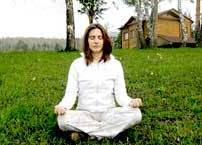
What is Sudarshan Kriya | Sudarshan Kriya
The Sudarshan Kriya, a powerful rhythmic breathing technique that facilitates physical, mental, emotional and social well-being is an integral part of Art of Living programmes.

It is today universally acclaimed for its effectiveness in eliminating stress and bringing one completely into the present moment.

As H. H. Sri Sri Ravi Shankar puts it, the Sudarshan Kriya came to him like an inspiration to bridge the gap between the worlds of inner silence and outer expression of life.

Nature is replete with various rhythms and cycles - day follows night, night follows day, seasons come and go. Similarly, there are biological rhythms to our bodies, minds and emotions. When these rhythms are in sync, we feel a sense of harmony and well-being. When stress or illness throws them out of order, we experience discomfort and discontent and feel upset and unhappy.

‘Su’ means proper, ‘darshan’ means vision, and ‘Kriya’ is a purifying practice. The Sudarshan Kriya is therefore a purifying practice, whereby one receives a proper vision of one’s true self. This unique breathing practice is a potent energizer.

Every cell becomes fully oxygenated and flooded with new life, bringing a sense of joy in the moment. And when we feel good about ourselves, love flows naturally in all our relationships with others.

The rhythmic breathing pattern of Sudarshan Kriya harmonizes the rhythms of the body and emotions and brings them in tune with the rhythms of nature. The breath connects the body and mind. Just as emotions affect our patterns of breathing, we can bring about changes in our mental and behavioral patterns by altering the rhythms of our breath. It flushes our anger, anxiety and worry; leaving the mind completely relaxed and energized.


The results of Sudarshan Kriya have surprised the medical fraternity across the world.
‘My cancer disappeared'
A doctor from Germany was suffering from metastatic cancer that had spread to her brain and liver when she came to attend her first Art of Living program. She did the course lying down. Two courses later, the cancer had disappeared. Being a doctor, she was requested to explain this. She suggested that possibly, the Sudarshan Kriya and meditation cleared her cells off stresses, leaving the layer of consciousness (or energy) surrounding those cells; which in turn, penetrated deep into her DNA.

Independent medical research has documented the benefits of the technique, including alleviation of depression and heightened awareness and creativity.

  • Studies have demonstrated significant falls in cortical levels, known as the ‘stress hormone' among Sudarshan Kriya practitioners, suggesting greater levels of both, relaxation and resilience to stress.
  • A study by All India Institute of Medical Sciences (AIIMS), Delhi, concluded that regular practice of the Sudarshan Kriya invokes positive emotions, replacing anger, frustration and jealousy.
  • It's also found that it improves the blood cholesterol profile with significant drops in total cholesterol and LDL (harmful) cholesterol, as well as increases in HDL (beneficial) cholesterol.

Also, check out this beautiful Sudarshan Kriya video:

Wednesday, 5 December 2012

Hindu Festivals Dates In 2013

Hindu Festivals Dates 2013 Calendar

Hindu Festivals 2013 Calendar with dates of important Hindu festivals and rituals. The Hindu festival dates are based on major Hindu calendars followed in India. Below are the dates of Maha Shivratri, Attukal Pongala, Onam, Akshaya Tritiya, Ganesha Chaturthi, Sree Krishna Jayanti, Navratri, and Diwali in 2013.

Hindu Festival Dates 2013 

January 2013

13th January 2013 – Lohri Festival
14th January 2013 – Makar Sankranti, Makara Vilakku
15th January 2013 – Pongal
27th January 2013 – Thai Pusam

February 2013

14th February 2013 – Vasant Panchami – Saraswati Puja
25th February 2013 – Chottanikara Temple Makam Festival
26th February 2013 – Attukal Pongala

March 2013

4th March 2013 – Vaikom Ashtami
10th March 2013 – Mahashivratri
26th March 2013 – Holika Dahan
27th March 2013 – Dhulandi Holi, Sabarimala Arattu

April 2013

11th April 2013 – Ugadi, Gudi Padva, Chaitra Navratri Begins
12th April 2013 – Cheti Chand
14th April 2013 –Vishu, Chithirai
19th April 2013 – Sree Ram Jayanti in some parts
20th April 2013 – Ram Navami
21st April 2013 – Thrissur Pooram
25th April 2013 – Hanuman Jayanti

Hindu Festivals Dates 2013 Calendar

May 2013

13th May 2013 – Akshaya Tritiya
23rd May 2013 – Narsimha Jayanti
24th May 2013 – Narasimha Jayanti in some parts of India

June 2013

8th June 2013 – Vat Savitri Vrat
23rd June 2013 – Vat Purnima

July 2013

10th July 2013 – Puri Rath Yatra
17th July 2013 – Ramayana Masam begins in Kerala
22nd July 2013 – Vyas Purnima, Guru Purnima

August 2013

6th August 2013 – Karkidaka Vavu Bali
20th August 2013 – Raksha Bandan, Avani Avittam
27th August 2013 – Sri Krishna Jayanti in
28th August 2013 – Sri Krishna Janmashtami in some parts of India

September 2013

7th September 2013 – Athachamayam
8th September 2013 – Haritalika Teej
9th September 2013 – Vinayaka Chaturthi
16th September 2013 – Onam
20th September 2013 – Pitru Paksha Shradh begins

October 2013

4th October 2013 – Pitru Paksha Shradh ends
5th October 2013 – Navratri Festival Begins
12th October 2013 – Durga Ashtami
13th October 2013 – Maha Navami
14th October 2013 –Vijaya Dashami, Mahalaya, Dussehra
22nd October 2013 – Karva Chowth
22nd October 2013 – Mannarasala Aayilyam

November 2013

1st November 2013 – Dhanteras
2nd November 2013– Deepavali
3rd November 2013 – Diwali in some parts
4th November 2013 – Lakshmi Puja
5th November 2013 – Bhai Dooj
16th November 2013 – Sabarimala Mandala Kalam begins
26th November 2013 – Kal Bhairav Ashtami

December 2013

13th December 2013 – Gita Jayanti, Guruvayur Ekadasi
17th December 2013 – Sri Dattatreya Jayanti
19th December 2013 – Parasurama Jayanti
26th December 2013 – Sabarimala Mandala Pooja

Tuesday, 27 November 2012

Tantra Yoga


What is Tantra Yoga?

Sadashiva and the Classical Advaita Yoga Tradition


What is Tantra Yoga?

About Sadashiva - Father of Tantra Yoga

Sadashiva is traditionally considered the founder of Tantra and Yoga systems and the first one to introduce music, dance, medical and marriage systems to human civilization. He was a remarkable human being in whom the Supreme Being was fully manifest; as such, he was the bridge between the phenomenal and spiritual worlds, and thus fully capable of systematizing, developing and inventing tools for spiritual growth. He was so revered for his spiritual and social service accomplishments that he was elevated to a status of Divinity in India: Lord Sadashiva, the destroyer of spiritual ignorance and the Lord of Yogins.

The Teachings of Sadashiva

Over the past millennia, the original teachings of Lord Sadashiva were preserved in the classical Advaita Shaiva Tantra Yoga tradition. If we define science as the rigorous inquiry into the nature of reality, Tantra would be the science of spiritual journey. The term "tantra" means liberation through expansion; thus the discipline rigorously explores all energies and their application associated with human existence and human environment. This exploration markedly does not limit itself to the intellect but uses all faculties available to humans. This acquisition of knowledge is never purely for the sake of knowledge but for the express purpose of enriching human life and for practical use in the exploration of its spiritual dimension.

Classical Tantra Yoga tradition

Classical Tantra Yoga tradition asserts that this universe we live in, and are part of, is the manifestation of Brahma - the infinite, all-embracing, ever-blissful Supreme Conscious Being. It has been observed to manifest in two polar but interrelated ways: Shiva, the Eternal Consciousness, and Shakti, his creative power. Both of these principles cannot be distinct entities; they are two poles of the One Being experiencing itself.
Shiva and Shakti
According to the wish of Shiva and under the influence of Shakti, living beings identify with material and mental objects created by Shakti, and thus feel incomplete due to the lack of connection with Shiva. After they attain human life, they can perform a spiritual practice to accelerate the development of consciousness, i.e. identification with Shiva, the Eternal Consciousness.
This spiritual practice (meditation) will reveal that all manifested objects are a play of Shiva and Shakti and that both are simply two faces of one Brahma, the Supreme Conscious Being. This realization restores living beings to their original state of Eternal Bliss, which is the state of the Supreme Being or Brahma.
Attaining Brahma - Eternal Bliss
In fact, it is said in Sanskrit: "Brahma is Eternal Bliss." Brahma can be experienced through direct perception deep within one's own mind. Well-performed spiritual practices help explore and master the mind and eventually lead to the realization of our inherent eternally blissful existence, i.e. unity with Brahma, the Eternal Bliss.
All teachings of the Tantra Yoga tradition are preparations and directions leading one towards the unfolding of this realization. Classical Tantra Yoga tradition uses two main approaches to the realization of Brahma: The first one is simply a gradual effort to release oneself from habitual or addictive behaviors. It is a preparation for the other, subtler system of practices, called yoga. Classical yoga training teaches sophisticated methods of releasing oneself from habitual behavior and deepening one's feeling of connectedness to the Eternal Bliss. The final spiritual consummation is the direct experience of the Eternal Bliss that leads to dissolution of individuality, which is the source of all happiness.

Sunday, 25 November 2012

Rabindranath Tagore meet Sree Narayana Guru

 
Nationalism is as much a blinding force as tribalism or parochialism. Many of the national leaders of India had saintly qualities and were deeply erudite in their scholarship. But their horizon of interest was confined to the tradition of India or at best to the problems of India. Rabindranath Tagore was an exception to this. He loved India more as a state of mind than a geographical area of the globe. He kept both his heart and mind open to all traditions and exposed himself to the influence of all religions and races. He lived and thought and envisaged the future of man as a true citizen of the world. His language was more of a poet than of a logician. His mystical insight was deep and profound. In short, in his thoughts, sympathies and visions, he was very close to Narayana Guru, if not identical with the Guru at least in some respects.
When Tagore's Gitanjali was selected for the Nobel Prize, he became the greatest pride of India. Narayana Guru wanted to know more of Tagore. His own disciple, Thampi (afterwards Nataraja Guru), was an ardent admirer of Tagore, and so he brought all the available works of Tagore, and told the Guru the substance of what he read. Narayana Guru appreciated Tagore's visions even in Gitanja!i, but he was not in favor of his own disciple imitating the style and diction of Gitanjali. The Guru knew that his century was meant to be an age of analysis and reason. So he advised his disciple Nataraja Guru to be clear and precise in his presentation and Substantiate his statements with evidence. Except in the matter of presenting thoughts as riddles, in all respects Narayana Guru considered Tagore as a good model for Thampi.
When Tagore visited South India, he was officially invited to be a guest of honor in the Sivagiri Mutt. Nataraja Guru was specially deputed by Narayana Guru to attend on Tagore. The following is an eyewitness account of the visit given by Nataraja Guru and referred to in his book The Word of the Guru:
Once came the poet Rabindranath Tagore, on one of his Southern tours, to visit the Guru. In honor of the great poet of Bengal the people in the vicinity of the hermitage arranged a kingly reception. Elephants were requisitioned. He was to be brought in procession as far as the foot of the hill of the ashram. Musical accompaniments were arranged. The Guru stood in the verandah of his rest-house and himself ordered the best carpets that the hermitage possessed, to be brought out to adorn the foot of the seat of the honored guest. The people thronged with the guest, anxious to hear the conversation between the Guru and the seer of Santiniketan. Each of the crowd thought himself the chosen follower of the Guru, and, as space was limited, it took some time to establish silence for the conversation. The two veteran leaders greeted with joined palms, and sat down facing one another. The seer of Bengal broke the deep silence that marked their meeting, and complimented the Guru, on the 'great work' he was doing for the people. The Guru's reply was not delayed. 'Neither have we done anything in the past nor is it possible to do anything in the future. Powerlessness fills us with sorrow.' His words sounded an enigma to some. Others thought he was just joking. Still others examined the logic of the statement. A characteristic silence followed the remark. The crowd looked at one another for a meaning, but it was the Guru's face itself that gave the silent commentary to the words. Deep silence and earnestness sat on his features. Smiles of curiosity and the rival expectations of the people were drowned into the neutral depths of silence by the suggestion that was expressed on the features of the Guru. All was silent for a minute or two. The climax of the interview was reached in silence where all met in equality. Usual conversation followed and the poet and the crowd retired.

Sree Narayana Guru - "The Great Man" By Jawaharlal Nehru

JAWAHARLAL NEHRU AT SAMATI 
" I feel very happy to have come to a place where a great man lived and gave his message to the people. Where great men lived that place becomes a holy ground something like a temple because of their thoughts and prayer that lie enshrined there. Sree Narayana Guru lived here and from here radiated his message; the message of no caste no division and he wanted to build up a casteless and classless society. His message is still very much needed in these days. In order to get a casteless, classless society, what are we to do ? Many things have to be done, but the general approach which I presume is Sree Narayana Guru's approach; the approach through the mind and heart and not of a compulsion and coercion. Where there is not this turning of the heart and mind, all other changes are likely to be superficial. I am most happy to have come this place to pay my tribute to this great man who lived here and spread his message from here"